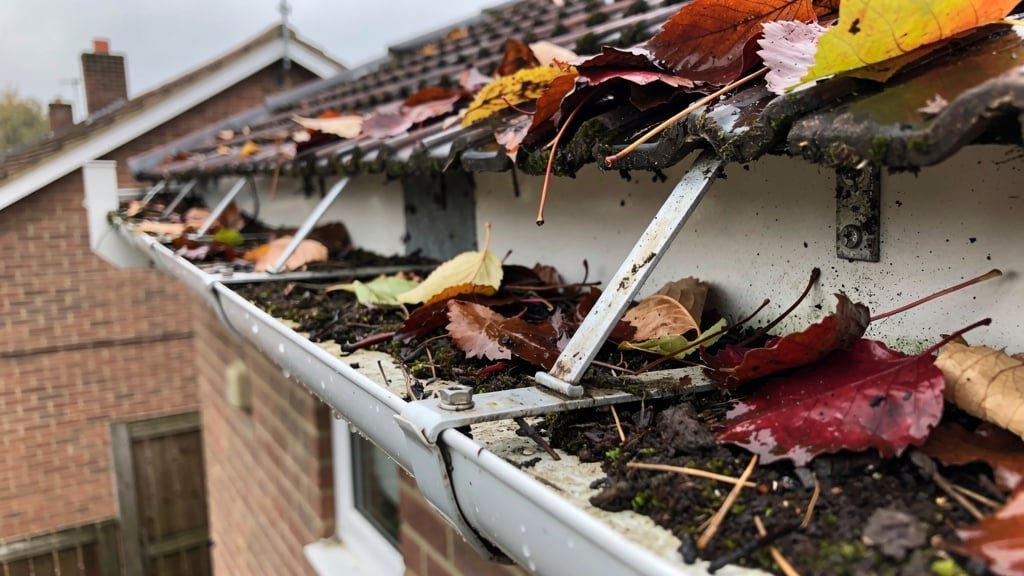
Effective roof drainage is as critical as the roof covering itself—blocked gutters cause more property damage annually than actual roof covering failures, yet drainage assessment is often overlooked until problems become obvious. My Roof Surveyor UK includes comprehensive drainage evaluation in every roof survey because even perfect roof coverings fail to protect properties when drainage systems can't manage water effectively.
This essential guide explains why drainage matters so much, what professional surveys assess, common problems and their consequences, and maintenance strategies that prevent expensive water damage to property structure and interiors.
Why Drainage Assessment is Essential
Roof coverings shed water—drainage systems must then safely remove it from the property.
The Role of Effective Drainage:
- Water removal: Collecting and channeling rainwater away from structure
- Foundation protection: Preventing water accumulation near foundations
- Wall protection: Avoiding wall saturation from overflow or splashing
- Roof protection: Ensuring water doesn't pond or back up under roof covering
- Interior protection: Preventing leaks through ceilings and walls
Consequences of Drainage Failure:
Blocked or inadequate drainage causes cascading problems:
- Gutter overflow saturating exterior walls
- Water penetrating through walls into interior spaces
- Foundation movement from excessive ground water
- Roof water backing up under tiles causing leaks
- Damp problems, mold growth, and decoration damage
- Timber rot in fascias, soffits, and roof structures
A Manchester semi-detached had blocked gutters for two autumn seasons. By the time the owner called us, overflowing water had saturated external walls, caused interior plasterwork failure in two rooms, created subsidence cracks from foundation saturation, and required £11,500 in remediation. The gutter clearance they'd postponed would have cost £120.
Components of Roof Drainage Systems
Professional surveys assess all drainage system elements.
Gutters:
Types and materials:
- Cast iron: Traditional, very durable (80-100 years), requires painting maintenance
- uPVC: Modern standard, 25-35 year lifespan, low maintenance
- Aluminum: Lightweight, 30-40 years, corrosion resistant
- Copper: Premium option, 50+ years, develops protective patina
Common sizes:
- 100mm (4 inch) - standard for small to medium residential
- 112mm - larger residential properties
- 125mm-150mm - commercial and large residential
Downpipes:
- 68mm diameter - standard residential
- 75-100mm - larger residential and commercial
- Must match gutter capacity
- Require secure fixing to walls preventing displacement
- Connection to drainage at ground level essential
Valley Gutters:
- Internal roof angles where two slopes meet
- Concentrate water flow requiring robust construction
- Lined with lead, zinc, or GRP typically
- Particularly vulnerable to blockage and failure
Flat Roof Drainage:
- Outlets positioned at low points
- Must be adequately sized for roof area
- Require regular clearing of debris
- Overflow provisions essential for safety
How Professional Surveys Assess Drainage
Comprehensive drainage evaluation examines multiple factors.
Visual Inspection:
Gutters:
- Checking for debris accumulation, leaves, moss
- Identifying cracks, joint separations, corrosion
- Assessing alignment—gutters must slope toward outlets
- Verifying bracket security and spacing
- Looking for overflow staining on fascias or walls
Downpipes:
- Checking for blockages or damage
- Verifying secure fixing to walls
- Assessing connection quality to drains
- Identifying any missing or damaged sections
Flow Testing:
During wet weather or using water testing:
- Observing how water flows through system
- Identifying slow drainage indicating partial blockages
- Checking for overflow during heavy rain simulation
- Verifying outlets drain freely
- Testing downpipe flow to ground drainage
Capacity Assessment:
- Calculating whether gutter size adequate for roof area
- Verifying outlet spacing appropriate
- Checking downpipe capacity matches gutter delivery
- Identifying undersized systems requiring upgrading
Common Drainage Problems
Surveys identify recurring drainage defects.
1. Blockages
Most common and preventable problem:
Causes:
- Autumn leaf fall accumulating in gutters
- Moss and debris washing from roof surfaces
- Bird nests in downpipes
- Tennis balls, toys, wind-blown rubbish
- Root growth from seeds germinating in gutter debris
Consequences:
- Overflow causing wall saturation
- Water weight stressing brackets and joints
- Ice formation in winter from standing water
- Fascia rot from constant moisture exposure
2. Incorrect Falls (Levels)
Gutters must slope toward outlets:
- Minimum 1:350 slope required (3mm per meter)
- Sagging brackets create reverse falls
- Water ponds in low spots rather than flowing
- Ponding water overflows during heavy rain
- Requires bracket adjustment or replacement
3. Joint Failures
Gutter sections connect at joints vulnerable to failure:
- Sealant deterioration allowing leaks
- Joint separation from movement or ice expansion
- Rust-through at joints in metal gutters
- Plastic joint seal deterioration from UV exposure
A Leeds terrace had been experiencing damp problems for three years. Multiple contractors had inspected the roof covering finding no defects. Our survey identified the actual problem—gutter joint failure directly above the damp area. During rain, the leaking joint dripped water down the wall, saturating brickwork and causing interior dampness. Resealing the joint cost £150 and completely solved the "mysterious" damp problem.
4. Inadequate Capacity
System too small for roof area:
- Older properties sometimes have undersized gutters
- Extensions increasing roof area without drainage upgrade
- Insufficient outlets for gutter length
- Overflows during heavy rain despite clear systems
- Requires system upgrading to larger capacity
5. Downpipe Problems
- Offset issues: Downpipes not directly below outlets, requiring swan-necks that restrict flow
- Disconnected from drains: Water discharging directly against foundations
- Damaged sections: Cracks or separations causing leaks
- Inadequate fixing: Pipes pulling away from walls
Maintenance and Prevention Strategies
Regular maintenance prevents most drainage problems.
Essential Maintenance Schedule:
Twice-yearly clearance (Spring and Autumn):
- Remove all leaves, moss, and debris from gutters
- Flush system with water verifying flow
- Check all joints and seals
- Verify bracket security
- Clear downpipe outlets
After storms:
- Check for debris blockages
- Verify system remained secure
- Clear any accumulated material
Annual professional assessment:
- Comprehensive condition evaluation
- Identification of developing problems
- Repair recommendations
- Typically included in annual roof surveys
Gutter Guards and Protection:
Pros:
- Reduces debris accumulation
- Extends time between clearances
- Prevents large items blocking downpipes
Cons:
- Small debris still enters
- Can create false confidence leading to neglect
- May reduce flow capacity slightly
- Maintenance still required, just less frequently
Drainage and Property Value
Effective drainage systems contribute to property value and marketability.
Impact on Property Sales:
- Surveyors always assess drainage during pre-purchase inspections
- Drainage defects appear in survey reports affecting negotiations
- Evidence of overflow damage raises moisture concerns
- Well-maintained drainage demonstrates overall property care
- Simple gutter replacement (£800-£2,000) prevents £5,000-£15,000 in damp remediation
Key Takeaways
- Drainage failure causes more property damage than roof covering problems
- Clear gutters minimum twice yearly—spring and autumn essential
- Blocked gutters cause wall saturation, foundation problems, and interior damage
- Professional surveys assess capacity, condition, and effectiveness
- Gutter clearance costs £80-150; damage from blockage costs £5,000-£15,000+
- Joint failures and incorrect falls cause chronic leaking
- Downpipes must connect to drains—not discharge against foundations
- Regular maintenance is single most cost-effective property protection measure
Frequently Asked Questions
Minimum twice yearly—late spring and late autumn. Properties near trees may need quarterly clearing. Autumn clearance is most critical as accumulated leaves before winter cause most problems. Never skip autumn gutter clearing thinking "they look fine"—leaves arrive suddenly and block systems quickly. Professional clearance costs £80-150, far less than the £5,000-£15,000 damage costs from blocked gutters causing overflow and wall saturation. Consider it essential maintenance, not optional.
Confident DIYers with safe ladder access can clear gutters themselves. However, working at height is dangerous—falls from ladders cause serious injuries annually. Professional clearance ensures safety, includes comprehensive system checking, properly disposes of debris, and typically costs £80-150 for average houses. Professionals also identify problems you might miss (damaged brackets, joint failures, downpipe blockages). For multi-story properties or if uncomfortable with heights, always hire professionals—personal safety outweighs cost savings.
Several possible causes: inadequate gutter capacity for roof area (common after extensions), incorrect falls preventing proper flow to outlets, insufficient number of outlets for gutter length, or downpipes too small for gutter delivery rate. Professional drainage assessment identifies specific cause and recommends solutions (larger gutters, additional outlets, bigger downpipes). While upgrading systems costs more than cleaning (£800-£2,000 typically), it prevents chronic overflow damage and provides long-term solution.
Decision depends on extent of deterioration and system type. uPVC gutters over 30 years, cast iron showing extensive rust, or systems with multiple joint failures typically warrant replacement. However, minor repairs (resealing joints, replacing brackets) often extend lifespan economically. Professional surveys assess whether repairs are worthwhile or replacement provides better value. New uPVC gutter systems cost £800-£2,000 for average semi-detached and last 25-35 years—reasonable investment if existing system is beyond effective repair.
Gutter guards reduce but don't eliminate debris accumulation and maintenance requirements. They're particularly valuable for properties under heavy trees or difficult-access situations. However, small debris still enters, guards themselves need periodic clearing, and they can create false confidence leading to neglect. Additionally, some designs reduce flow capacity or create ice dam problems in winter. If considering guards, choose quality systems, understand they reduce but don't eliminate maintenance, and continue annual inspections verifying proper function.
Comprehensive Drainage Assessment
My Roof Surveyor UK includes thorough drainage system evaluation in all roof surveys, assessing capacity, condition, effectiveness, and maintenance requirements. Our surveys identify drainage defects before they cause expensive property damage, recommend appropriate maintenance schedules, and provide repair/replacement guidance when systems reach end of serviceable life.
Whether you're experiencing overflow problems, conducting routine maintenance planning, or arranging pre-purchase assessment, our drainage evaluations deliver essential information for protecting your property investment.