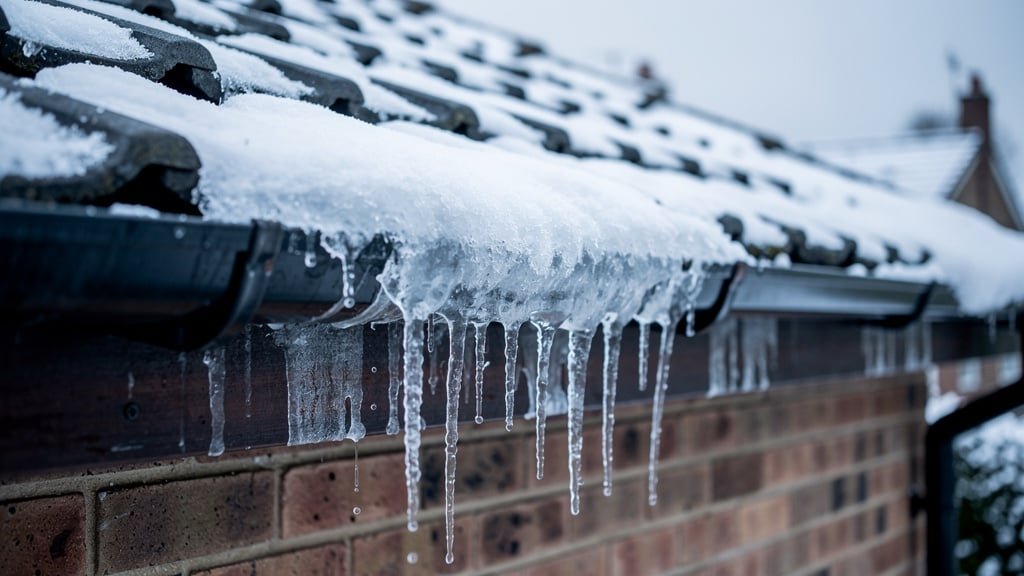
Winter weather creates unique roof challenges through freeze-thaw cycles, ice formation, condensation problems, and storm damage that My Roof Surveyor UK encounters throughout the cold season across the UK. While British winters rarely see extreme snow loads common in continental Europe, our wet, fluctuating temperatures create insidious problems that progressively damage roofs and require professional assessment to identify and address before spring.
This comprehensive guide explains winter-specific roof problems, how freeze-thaw cycles damage materials, preventing and managing ice dams, recognizing winter storm damage, and when to schedule professional surveys after cold weather events.
Understanding Freeze-Thaw Damage
The UK's fluctuating winter temperatures create ideal conditions for freeze-thaw deterioration.
How Freeze-Thaw Cycles Work:
- Water absorption: Rain saturates porous materials (tiles, brickwork, mortar)
- Freezing expansion: Water freezes overnight, expanding approximately 9% in volume
- Material stress: Expansion creates internal pressure within materials
- Micro-cracking: Repeated cycles cause cumulative damage
- Eventual failure: Materials spall, crack, or disintegrate after sufficient cycles
Materials Most Vulnerable:
Concrete tiles:
- Porous surface absorbs water readily
- Freeze-thaw causes surface spalling and delamination
- Tiles over 25 years particularly vulnerable as protective coatings wear
- Saturated tiles kept wet by moss suffer accelerated damage
Mortar and pointing:
- Chimney pointing especially vulnerable
- Ridge mortar subject to maximum freeze-thaw exposure
- Lime mortar more vulnerable than cement but also more breathable
- Failed pointing allows water into structures, worsening damage
Older slate:
- Natural slate can delaminate after 80-100+ years
- Freeze-thaw accelerates splitting between layers
- Nail holes particularly vulnerable to freeze-thaw expansion
A Leeds property we surveyed in spring showed extensive freeze-thaw damage from a severe winter. Approximately 25% of 30-year-old concrete tiles had surface spalling, chimney pointing was crumbling, and ridge mortar showed cracking throughout. The winter had been particularly harsh with repeated freeze-thaw cycles—single season causing more damage than previous five years combined.
Ice Dam Formation and Problems
While less common in UK than colder climates, ice dams still occur and cause significant damage.
How Ice Dams Form:
- Heat escapes through roof: Inadequate insulation allows warm air to heat roof deck
- Snow melts: Heat melts snow on upper roof sections
- Refreezing at eaves: Meltwater flows down, refreezes at cold eaves
- Ice accumulation: Repeated melt/refreeze builds ice barrier
- Water backup: Ice dam blocks drainage, water backs up under tiles
- Interior leaks: Backed-up water penetrates through gaps
UK-Specific Ice Problems:
Rather than classic ice dams, UK properties more commonly experience:
- Gutter ice blockages: Frozen gutters preventing drainage
- Icicle formation: Indicating gutter problems and heat loss
- Valley ice: Ice accumulating in roof valleys, blocking water flow
- Flat roof ice: Standing water freezing, expanding, cracking membranes
Preventing Ice Problems:
- Improve insulation: Reduces heat escaping through roof deck
- Enhance ventilation: Keeps attic space cold, preventing snow melt
- Clear gutters: Ensures proper drainage before winter
- Address heat loss: Seal air leaks allowing warm air into loft
- Monitor icicles: Large icicles indicate problems requiring attention
A Birmingham property developed massive icicles every winter. Investigation revealed grossly inadequate loft insulation (50mm only) allowing substantial heat loss. This melted snow on the roof, creating meltwater that refroze at eaves as dramatic icicles. Upgrading insulation to 270mm eliminated the problem—and saved £400+ annually on heating bills.
Snow Load Considerations
UK roofs rarely experience dangerous snow loads, but awareness is valuable.
Typical UK Snow Loads:
- Most UK areas: design load 0.6-0.75 kN/m² (60-75 kg/m²)
- Elevated areas: up to 1.0 kN/m² in Scotland and uplands
- Typical snowfall: 5-20cm accumulation lasting days
- Extreme events: occasionally 30-50cm in severe winters
When Snow Becomes Concerning:
- Deep accumulation: Over 30cm, particularly wet heavy snow
- Uneven distribution: Drifting creating concentrated loads
- Valley accumulation: Snow sliding into valleys, doubling loads
- Older structures: Properties built to lower standards may be vulnerable
- Flat roofs: Snow doesn't slide off, creating greater accumulated load
Signs of Excessive Snow Load:
- Cracking sounds from roof structure
- Doors and windows suddenly sticking or becoming difficult to operate
- Visible sagging in ceiling or roofline
- Cracks appearing in walls or ceilings
Important: Never climb onto roofs to remove snow—dangerous for you and potentially damages roof coverings. If genuinely concerned about snow load (rare in UK), consult structural engineers.
Winter Condensation Problems
Cold weather exacerbates roof condensation issues.
Why Winter Increases Condensation:
- Greater temperature differential between interior and exterior
- Windows kept closed, reducing natural ventilation
- Heating creates more water vapor from cooking, bathing
- Warm moist air rises into loft spaces
- Cold roof deck causes vapor to condense
Consequences of Roof Condensation:
- Saturated insulation: Loses 50-90% thermal effectiveness when wet
- Timber rot: Persistent moisture causes structural deterioration
- Mold growth: Health hazards and unpleasant odors
- Metal corrosion: Nails, brackets, and fixings deteriorate
- Reduced lifespan: Accelerated aging of all roof components
A Manchester terrace developed severe condensation after cavity wall insulation improved home heat retention but wasn't accompanied by improved ventilation. The tighter building trapped moisture, which migrated to the loft and condensed on cold roof timbers. Within two winters, timber rafters showed early rot signs and insulation was saturated. Adding loft ventilation and extractor fans solved the problem, but damage repair cost £3,800.
Managing Winter Condensation:
- Ensure adequate loft ventilation (soffit and ridge vents)
- Use bathroom and kitchen extractor fans
- Open windows periodically even in winter
- Avoid drying clothes indoors without ventilation
- Install vapor barriers in appropriate locations
- Check loft spaces monthly for condensation signs
Winter Storm Damage
Winter storms combine high winds, heavy rain, and sometimes snow/ice creating multiple damage risks.
Common Winter Storm Problems:
Wind damage:
- Displaced or missing tiles and slates
- Lifted flashing edges
- Damaged ridge tiles
- Chimney pot displacement
- Broken satellite dishes or aerials
Wind-driven rain:
- Penetrates through gaps that resist vertical rain
- Exploits weak points (lifted tiles, flashing gaps)
- Saturates vulnerable areas
- Creates leaks not evident during calm weather
Debris impact:
- Fallen branches cracking tiles or damaging flashings
- Blown objects (wheelie bins, garden furniture) impacting roofs
- Neighboring property materials landing on your roof
Post-Storm Assessment:
After every significant winter storm, conduct immediate checks:
- Visual ground-level inspection for obvious damage
- Check for debris on roof or in garden from roof
- Interior inspection for new water stains or leaks
- Gutter and drainage system verification
- Photograph any damage for insurance documentation
Insurance typically requires prompt damage reporting (48-72 hours). Don't delay post-storm assessment.
When to Call Professional Surveyors
Certain winter situations absolutely require expert evaluation.
Immediate Professional Assessment Needed:
- Active water ingress during or after storms
- Visible major damage (missing sections, obvious tile loss)
- Structural concerns (sagging, cracking)
- Dangerous loose elements risking falls
- Extensive icicle formation suggesting significant heat loss
Spring Post-Winter Survey Recommended:
- Properties that experienced multiple severe winter storms
- Roofs over 20 years old after harsh winters
- Properties where you noticed increased damp or moisture
- Homes with known pre-existing vulnerabilities
- Before property sales after severe winter season
Spring surveys identify cumulative winter damage before it worsens during summer and autumn rainfall, allowing repairs during favorable weather.
Key Takeaways
- Freeze-thaw cycles cause progressive damage to tiles, mortar, and pointing
- Ice dams result from inadequate insulation allowing heat loss through roofs
- Large icicles indicate heat loss and potential drainage problems
- Winter condensation saturates insulation and causes timber rot
- Never climb onto roofs to remove snow—dangerous and causes damage
- Post-storm assessment within 48-72 hours preserves insurance claim rights
- Spring surveys identify cumulative winter damage before it worsens
- Adequate insulation and ventilation prevent most winter roof problems
Frequently Asked Questions
No, never climb onto roofs to remove snow in UK. Our snow loads rarely approach dangerous levels, roofs are designed to handle typical accumulation, and climbing on snowy roofs is extremely dangerous with serious fall risk. Additionally, snow removal attempts often damage tiles, crack slates, and break fixings. Only in extreme circumstances (unprecedented heavy snowfall, structural concerns on vulnerable buildings) should snow removal be considered—and then only by professional contractors with proper equipment and safety measures.
Large icicles indicate heat escaping through your roof, melting snow which refreezes at colder eaves. This signals inadequate insulation and significant energy waste. Additionally, icicles may indicate blocked gutters preventing proper drainage. While icicles look picturesque, they indicate problems costing you hundreds annually in wasted heating. Professional surveys identify specific heat loss sources (insufficient insulation, air leaks, ventilation problems) and recommend improvements that eliminate icicles while dramatically reducing heating bills.
Freeze-thaw cycles occur when water-saturated materials freeze overnight (water expands 9%), then thaw during day. UK's fluctuating winter temperatures create numerous cycles—sometimes daily. Each cycle creates micro-damage in tiles, mortar, and slate. Cumulative damage over years causes spalling, cracking, and eventual failure. Materials most vulnerable are porous (concrete tiles, aging mortar, deteriorated slate) and those kept wet (moss-covered roofs). This is why moss removal and drainage maintenance are critical—keeping materials drier reduces freeze-thaw damage significantly.
Winter loft condensation indicates inadequate ventilation allowing moist warm air from living spaces to reach cold roof deck where it condenses. This isn't technically roof covering failure but is serious problem requiring attention. Persistent condensation saturates insulation (losing effectiveness), promotes mold growth, causes timber rot, and corrodes metal fixings. Solutions include: improving loft ventilation (soffit and ridge vents), using extractor fans in bathrooms/kitchens, installing vapor barriers, and addressing moisture sources. Professional surveys identify specific improvements needed for your circumstances.
Schedule post-winter surveys in April-May for roofs over 20 years old after harsh winters, properties experiencing multiple severe storms, homes where you noticed increased dampness or moisture problems, or before property sales after difficult winter season. Spring timing allows identifying cumulative winter damage before it worsens during spring/summer rainfall, and permits repairs during favorable weather. Don't wait for obvious problems—survey identifies developing issues while they're still economical to repair. Cost £300-600 for comprehensive survey that potentially saves thousands in prevented damage.
Professional Winter Damage Assessment
My Roof Surveyor UK provides post-winter roof surveys identifying freeze-thaw damage, storm impacts, and developing problems that require attention before they worsen. Our spring surveys document winter's cumulative effects, recommend necessary repairs, and provide realistic cost estimates—helping you address problems during favorable weather rather than facing emergency repairs later.
Whether your property experienced severe winter weather, you're concerned about specific problems, or you're conducting routine maintenance, our comprehensive assessments deliver actionable guidance for protecting your roof investment.