Most UK homeowners only think about their roof when something goes dramatically wrong—water pouring through the ceiling, missing tiles scattered across the garden, or daylight visible from the loft. By then, what could have been a simple £300 repair has escalated into a £5,000 emergency requiring urgent intervention. My Roof Surveyor UK encounters this scenario regularly: property owners who ignored subtle warning signs until minor problems snowballed into major crises.
Your roof constantly communicates its condition if you know what to look for. Professional surveyors are trained to spot these indicators, but homeowners who understand the key warning signs can catch problems early—when they're still straightforward and affordable to fix. This comprehensive guide will help you recognize when your roof needs expert attention.
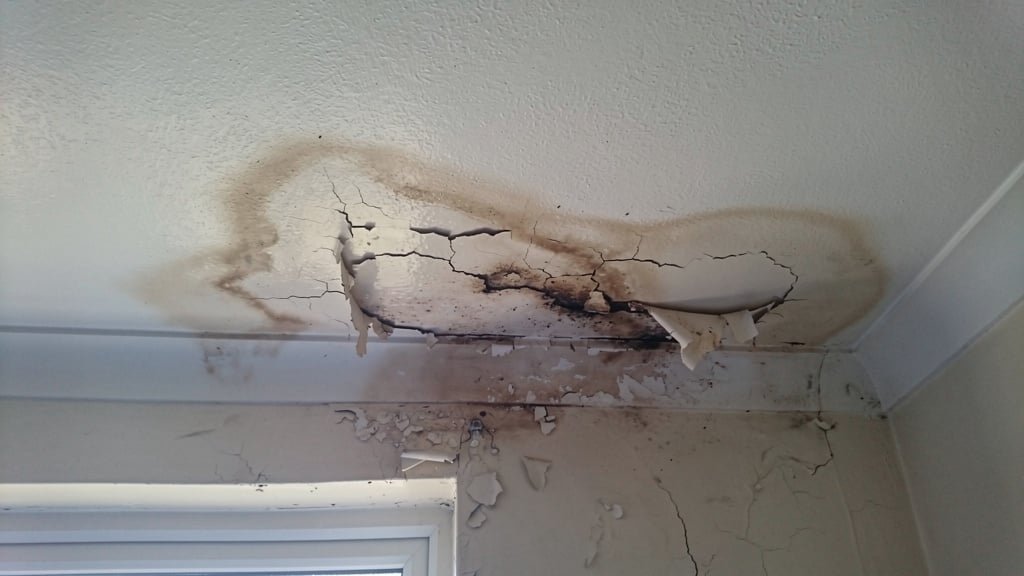
1. Interior Water Stains and Damp Patches
Perhaps the most obvious—yet frequently ignored—warning sign is interior moisture damage. Many homeowners see small ceiling stains and think "I'll keep an eye on that," not realizing that visible interior damage represents just a fraction of the problem occurring within the roof structure.
What to Look For:
- Ceiling discoloration: Yellow, brown, or grey patches indicating water penetration
- Peeling paint or wallpaper: Moisture causing decorative finishes to lift or bubble
- Damp patches on walls: Particularly near chimney breasts, around windows, or at wall/ceiling junctions
- Mold or mildew growth: Black, green, or grey spots indicating persistent moisture
- Musty odors: Distinctive damp smell in rooms directly below the roof
Why This Matters:
By the time water stains appear on your ceiling, moisture has already saturated insulation, potentially damaged timber structures, and created conditions for mold growth and rot. A Bristol homeowner we surveyed had a small ceiling stain they'd ignored for two years. Our inspection revealed extensive timber rot, compromised electrical wiring in the loft, and saturated insulation requiring complete replacement—repairs totaling £12,000 from what started as a £400 flashing problem.
What to do: Never ignore interior moisture signs. Arrange a professional roof survey immediately to identify the source and extent of water ingress before structural damage develops.
2. Missing, Cracked, or Displaced Tiles or Slates
Visible damage to roof coverings is an obvious indicator, but many homeowners don't realize that even one or two missing tiles represent a serious vulnerability.
Common Tile and Slate Problems:
- Missing tiles after storms: Wind-blown tiles leaving gaps in roof covering
- Slipped slates: Individual slates that have moved out of position
- Cracked or broken tiles: Visible damage from impact, frost, or deterioration
- Lifted tile edges: Wind getting under tiles and breaking fixings
- Delaminating slates: Natural slate splitting into layers due to freeze-thaw cycles
The Cascade Effect:
A single missing tile doesn't just create one vulnerable spot. Water entering through that gap can:
- Saturate battens supporting adjacent tiles, causing them to rot and fail
- Compromise the waterproof membrane beneath tiles
- Allow wind-driven rain to penetrate deeper into the roof structure
- Create freeze-thaw conditions in winter that expand damage
- Lead to progressive failure of surrounding tiles
We surveyed a Manchester property where the owner had noticed "a few missing tiles" but delayed repairs. By the time we inspected, what had been three missing tiles eighteen months earlier had progressed to twenty-seven failed tiles, rotten battens across a large section, and water damage to the loft causing a quote of £8,500 for repairs.
What to do: Have any visible tile or slate damage assessed professionally within days of discovery. Quick repairs prevent exponential damage escalation.
3. Sagging Roofline or Visible Structural Deformation
Stand back from your property and look at the roofline against the sky. It should form clean, straight lines. Any deviation—dips, sags, or irregular contours—indicates potentially serious structural problems.
Types of Structural Warning Signs:
- Sagging ridge line: Central roof peak drooping or no longer straight
- Dipped areas: Sections of roof surface lower than surrounding areas
- Wavy appearance: Undulating roof surface rather than flat planes
- Bulging areas: Sections pushed outward indicating structural movement
What Causes Structural Issues:
Roof structure problems stem from several sources:
- Rafter rot or failure: Timber decay from long-term moisture exposure
- Undersized original construction: Inadequate timber specification for span and load
- Purlin problems: Failure of horizontal supporting beams
- Truss damage: Modern trussed roofs with damaged or modified trusses
- Wall plate issues: Deterioration of timber supporting roof at walls
A Victorian property in Edinburgh we surveyed showed subtle sagging along one roof slope. Investigation revealed that 120 years of minor roof leaks had gradually rotted several rafters. The roof was literally being held up by the tiles themselves—a dangerous situation requiring immediate structural repair costing £18,000.
What to do: Structural deformation requires urgent professional assessment. This isn't DIY territory—structural engineers and specialist surveyors must evaluate safety and determine necessary remediation.
4. Daylight Visible Through Roof Boards
From your loft space, look up at the underside of your roof. You shouldn't see daylight penetrating through the roof covering.
What Daylight Indicates:
- Gaps in roof covering: Missing or displaced tiles creating visible holes
- Failed sarking boards: Gaps between roof boards where tiles have allowed light through
- Tile or slate nail holes: Enlarged fixing holes from corrosion or movement
- Ridge or valley problems: Gaps at critical waterproofing junctions
Why This is Serious:
If light can penetrate, so can water, wind-driven rain, and—during winter—snow. These openings:
- Allow direct water ingress during rain
- Permit wind to enter and potentially lift more tiles from beneath
- Create thermal gaps reducing home energy efficiency
- Provide entry points for birds, wasps, and bats
- Indicate that waterproof membrane may be compromised or absent
What to do: Document visible daylight with photographs showing location and extent. Arrange professional survey to assess how widespread the problem is and identify all areas requiring repair.
5. Granules Collecting in Gutters
For properties with concrete or composite tiles, finding significant quantities of granular material in gutters indicates surface degradation.
Understanding Granule Loss:
Concrete and composite tiles have protective mineral coatings on their surface. As tiles age and deteriorate, these granules:
- Wash off during rainfall
- Accumulate in gutters and downpipe outlets
- Leave tiles with exposed concrete surfaces vulnerable to weather
- Indicate tiles approaching end of serviceable life
The Progressive Nature of Tile Deterioration:
Granule loss accelerates over time. Once protective coatings wear away:
- UV radiation breaks down the tile material faster
- Freeze-thaw cycles cause surface spalling and cracking
- Tiles become porous, absorbing water and losing strength
- Complete tile failure becomes increasingly likely
A Leeds homeowner contacted us after noticing "sand" in his gutters. Survey revealed 35-year-old concrete tiles nearing failure. We recommended monitoring and budgeting for replacement within 2-3 years. Two years later, after a severe winter, multiple tiles had cracked and the roof required re-covering—but because we'd given advance warning, the owner had budgeted appropriately and avoided a financial crisis.
What to do: Have roofing professionals assess overall tile condition if you're finding significant granular material in gutters. This helps you plan and budget for eventual roof recovery rather than facing an emergency.
6. Moss, Algae, and Biological Growth
While some moss on north-facing roofs is normal in the UK's damp climate, excessive biological growth accelerates roof deterioration and indicates underlying problems.
Why Biological Growth Matters:
- Water retention: Moss acts like a sponge, keeping tiles constantly damp
- Tile lifting: Moss growth under tile edges can lift them, breaking fixings
- Freeze-thaw damage: Moisture held by moss expands when frozen, cracking tiles
- Root penetration: Some mosses send roots between tiles and under membranes
- Gutter blockage: Moss washes into gutters, blocking drainage
Conditions That Encourage Moss:
Heavy moss growth often indicates:
- Poor drainage allowing standing water
- Overhanging trees creating damp, shaded conditions
- Aging tiles with rough, porous surfaces moss can colonize
- North-facing roof slopes with limited sunlight
We surveyed a Cotswolds property with extensive moss coverage. Beneath the moss, we found that tiles had been lifted, battens were rotting from constant moisture, and membrane had been punctured by moss roots. The combination of cleaning, tile re-fixing, batten replacement, and membrane repair cost £6,200—far more than if the moss had been professionally removed years earlier.
What to do: Have moss professionally removed and the underlying roof condition assessed. Don't pressure-wash tiles yourself—this often causes more damage than the moss. Professional surveyors can assess whether moss has caused damage requiring repair.
7. Rising Energy Bills
An often-overlooked roof problem indicator is unexplained increases in heating costs.
The Roof-Energy Connection:
Approximately 25% of home heat loss occurs through the roof. Roof problems that compromise insulation or create air gaps dramatically increase this figure:
- Moisture-saturated insulation: Wet insulation loses 50-90% of its thermal performance
- Ventilation gaps: Air leaks around roof edges or through damage
- Missing or compressed insulation: Areas where rodents have disturbed insulation
- Thermal bridging: Heat escaping through uninsulated structural elements
Identifying Roof-Related Energy Loss:
If your heating bills have increased significantly and you've ruled out boiler problems or rate increases, consider:
- When did the increase begin? (correlates with roof damage timing)
- Are upper floors noticeably harder to heat?
- Do you feel drafts in upstairs rooms?
- Has your loft space become noticeably colder?
Our thermal imaging surveys frequently identify saturated insulation causing massive heat loss. A Birmingham semi-detached property saw heating bills rise 40% over two winters. Thermal survey revealed a slow roof leak had saturated insulation across one-third of the loft. The leak repair cost £850, new insulation £1,200—but the homeowner had wasted approximately £1,600 in excess heating costs during those two years.
What to do: If you've experienced unexplained heating cost increases, request a thermal imaging roof survey. This technology identifies moisture in insulation and air leaks invisible to visual inspection.
8. Water Dripping from Light Fixtures or Vents
Water appearing through electrical fixtures or ventilation points represents an extremely dangerous situation requiring immediate attention.
Why This is Critical:
- Electrical hazard: Water and electricity create serious shock and fire risks
- Extensive hidden damage: Water visible at fixtures indicates large-scale roof ingress
- Structural saturation: Timber, insulation, and ceiling materials are compromised
- Mold development: Hidden mold growth in ceiling voids
Immediate Actions:
- Turn off electricity at the consumer unit for affected circuits
- Do not use electrical fixtures showing water ingress
- Contain water with buckets and protect furnishings
- Contact emergency roof survey services immediately
- Document damage with photographs for insurance
A Surrey homeowner noticed water dripping from a ceiling light fitting after heavy rain. Our emergency survey found that storm damage had lifted valley flashing, allowing water to pour into the loft during heavy rainfall. Water was tracking along ceiling joists to the light fixture. Emergency repairs prevented further damage, but the delayed discovery meant saturated insulation and ceiling replacement were necessary—total costs £4,800.
What to do: Treat water from electrical fixtures as an emergency. Ensure electrical safety first, then arrange immediate professional roof assessment even if rain has stopped.
9. Damaged or Deteriorating Flashing
Flashing—the metal (usually lead or zinc) strips sealing junctions between roof surfaces and vertical elements—is one of the most vulnerable roof components.
Critical Flashing Locations:
- Chimney stacks: Where masonry penetrates roof covering
- Wall abutments: Where roof meets walls or dormers
- Valleys: Internal angles where two roof slopes meet
- Roof lights and skylights: Around window penetrations
- Soil vent pipes: Around plastic pipes penetrating roof
Common Flashing Problems:
- Lifted edges: Wind getting under flashing and breaking seals
- Cracked or split lead: Age, thermal movement, or impact damage
- Failed pointing: Mortar securing flashing to masonry crumbling away
- Corroded metal: Zinc or aluminum flashings deteriorating
- Inadequate overlaps: Poor original installation with insufficient coverage
Flashing problems are insidious because they often allow water in gradually rather than catastrophically. This slow ingress causes progressive damage that's expensive to repair by the time it becomes obvious.
A Liverpool terraced property had been experiencing a "damp patch" near the chimney for a year. The owner kept repainting, not realizing the damp was from a failed chimney flashing. When we surveyed, we found extensive timber rot in rafters around the chimney, damaged ceiling joists, and early-stage dry rot spores in the loft. The £300 flashing repair had become a £9,500 remediation project involving fungicide treatment and structural timber replacement.
What to do: Arrange roof survey specifically examining all flashing locations if you have any signs of moisture near chimneys, walls, or valleys. Early flashing repairs are straightforward; delayed repairs become structural nightmares.
10. Age: When Your Roof Reaches Critical Milestones
Even without obvious problems, roof age itself is a warning sign requiring professional assessment.
Critical Age Milestones:
- Concrete tiles: 50-60 years: Deterioration accelerates, granule loss increases
- Clay tiles: 60-100 years: Original nails corrode, fixings fail
- Natural slate: 70-120 years: Delamination increases, batten deterioration occurs
- Felt flat roofs: 10-15 years: Approaching end of serviceable life
- EPDM rubber: 20-25 years: Should be professionally assessed
Why Age Matters:
As roofs approach these milestones, problems accelerate exponentially. A roof that's performed well for decades can deteriorate rapidly once critical components start failing:
- Multiple tiles begin failing simultaneously as nails corrode
- Battens deteriorate from decades of moisture exposure
- Membrane materials break down from UV and weather exposure
- Flashings that have lasted 50 years suddenly fail
Professional surveys at appropriate age milestones allow you to plan proactively rather than react to emergencies.
What to do: If your roof is approaching these critical ages, arrange a comprehensive survey. This provides a realistic assessment of remaining lifespan and helps you budget for eventual replacement or major repairs before emergency situations force rushed, expensive decisions.
Key Takeaways
- Never ignore interior moisture signs—they indicate extensive hidden damage
- Single missing tiles require immediate attention before damage spreads
- Sagging rooflines indicate serious structural problems needing urgent assessment
- Daylight visible through roof boards means water can also penetrate
- Rising energy bills may indicate roof insulation saturation from leaks
- Water from electrical fixtures represents emergency requiring immediate action
- Deteriorating flashing causes progressive damage that becomes exponentially expensive
- Roof age alone is reason for professional survey at critical milestones
Frequently Asked Questions
Conduct basic visual checks from ground level twice yearly—spring and autumn. Examine interior spaces (loft, upper ceilings) quarterly for moisture signs. After severe weather events, inspect immediately. Arrange professional roof surveys every 3-5 years for roofs under 20 years old, and annually for roofs approaching critical age milestones or with history of problems.
You can and should conduct ground-level visual checks and loft inspections yourself. However, never climb onto your roof—this risks personal injury, roof damage, and insurance complications. Professional surveyors have training, equipment, and insurance for safe roof access. If you spot warning signs during your ground-level checks, arrange professional assessment rather than attempting roof access yourself.
Rising energy costs. Many homeowners don't connect increased heating bills with roof problems, yet saturated insulation from roof leaks causes massive heat loss. If your heating costs have risen significantly without obvious cause, arrange thermal imaging roof survey. This technology reveals moisture in insulation invisible to visual inspection—problems that are costing you money every month they remain undetected.
Escalation speed varies, but typically faster than homeowners expect. A single missing tile can cause surrounding tiles to fail within 6-12 months as water damages battens. Small flashing gaps can cause structural timber rot within 2-3 years. The lesson: small problems rarely remain small. Early intervention when problems are minor saves thousands compared to delayed repairs after damage has compounded.
Multiple warning signs suggest your roof has significant problems requiring comprehensive professional survey. Document everything with photographs, note when you first observed each problem, and arrange professional assessment promptly. Multiple issues often indicate systemic problems or aging roof approaching failure. Early comprehensive survey allows you to plan repairs strategically and budget appropriately rather than facing emergency situations.
Get Expert Roof Assessment
Don't wait for warning signs to become emergencies. If you've noticed any of these indicators, My Roof Surveyor UK provides comprehensive professional roof surveys that identify problems, assess their severity, and provide clear recommendations for protecting your property investment.
Our independent surveyors use visual inspection, thermal imaging, and drone technology to detect both obvious and hidden problems. We provide detailed reports with photographic evidence and realistic repair costs—giving you the information needed to make informed decisions about your property.